
Gathering Spaces Designed Around Flame
Fire Pits and Outdoor Fireplaces in Madisonville for properties where outdoor entertaining ends when the sun sets or temperature drops
Northshore evenings cool enough to make outdoor seating comfortable during warmer months, and fire features extend that usability by providing focused warmth and ambient light without requiring portable heaters or temporary setups. Fire pits and outdoor fireplaces serve as natural gathering points—seating arranges around them, conversation focuses near them, and the space itself gains a functional center that defines how people use the area. Pelican Outdoor Designs installs both wood-burning and gas fire features custom-built to fit specific outdoor layouts and aesthetic preferences.
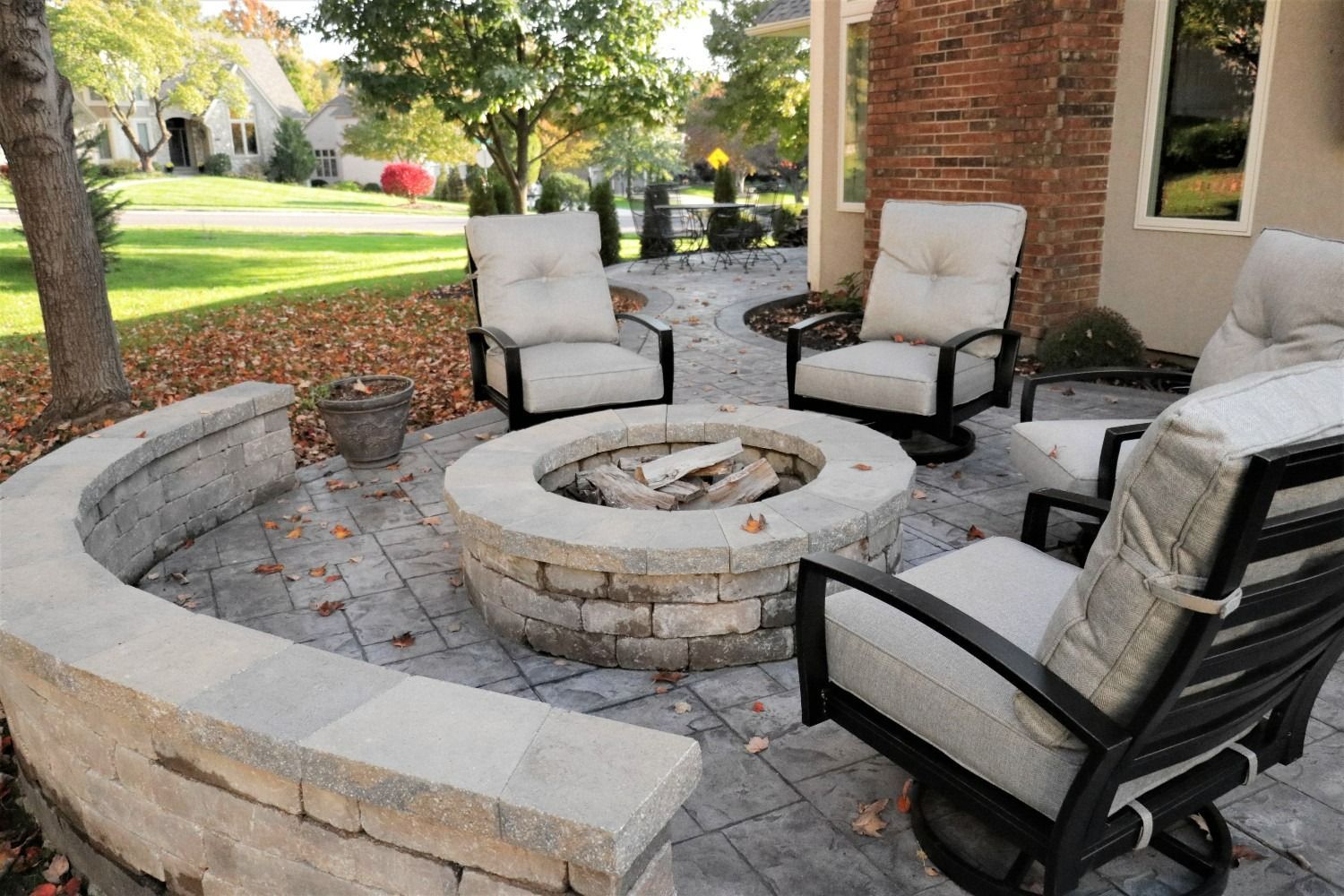
Fire feature design involves more than choosing a style—fuel type affects operation and maintenance, placement determines wind exposure and smoke direction, surrounding materials must withstand radiant heat, and gas features require utility connections routed underground. Wood-burning options deliver traditional ambiance and crackling sound but require ash removal and wood storage, while gas units offer instant ignition and adjustable flame without cleanup.
Schedule a fire feature design consultation to review placement options and compare wood versus gas setups for your space.
What Fire Features Actually Accomplish
Installation begins with foundation work—fire pits need stable, level bases that won't settle over time, and fireplaces require footings sized to support masonry weight. Gas lines are trenched from the home's supply or a dedicated propane tank, burner assemblies are positioned for even flame distribution, and ignition systems are tested before finish materials are installed. Surrounding hardscape is selected for heat resistance—certain pavers and stone won't crack or discolor under sustained heat exposure.
Once the fire feature is complete, you'll notice warmth extending several feet outward from the flame, enough to make seating comfortable on cool evenings. Gas features ignite with a simple valve turn or electronic switch, while wood-burning units produce the smoke and ember activity that some homeowners prefer for atmosphere. The structure itself becomes the visual anchor for the entire outdoor space, and lighting design often incorporates the firelight as a primary source rather than supplementing it with additional fixtures.
Fire features integrate directly with patios and seating walls—bench height and distance from the flame are calculated for comfort and safety, and wind blockers or partial enclosures can be added if prevailing breezes make open fire pits impractical. Proper installation includes clearances from combustible materials and compliance with local codes governing outdoor flames.
What Homeowners Frequently Want to Know
Fire feature projects raise specific questions about fuel choice, operation, safety, and how the installation fits with existing outdoor areas.
What's the practical difference between wood-burning and gas fire features?
Wood-burning units require regular ash removal and wood stacking but deliver traditional fire experience with variable flame and sound, while gas features ignite instantly and burn cleanly but lack the crackling and ember glow some homeowners want.
How far should seating be placed from the fire for comfort?
Most seating arranges 3 to 5 feet from the flame edge—closer provides maximum warmth but can feel too intense during active burning, while farther placement suits larger groups or situations where heat isn't the primary goal.
When does an outdoor fireplace make more sense than a fire pit?
Fireplaces work better in compact spaces or areas with consistent wind, because the chimney structure directs smoke upward and the partial enclosure blocks breezes that scatter embers—fire pits suit open layouts where 360-degree seating is desired.
What installation work is required for a gas fire feature in Madisonville?
A gas line must be trenched from the supply source to the fire pit location, the burner assembly needs a stable base and proper venting, and ignition components require weatherproof housings to handle humidity and rain common to the Northshore.
Why do some fire pits include surrounding stone or masonry?
Built-up walls provide seating edges, contain heat and embers, create visual mass that anchors the feature in the landscape, and protect adjacent surfaces from radiant heat that could damage wood decking or composite materials.
Pelican Outdoor Designs incorporates fire features into complete outdoor living areas or adds them to existing patios and gathering spaces as focal upgrades. Arrange a design session to walk through placement considerations, fuel options, and how a fire feature would integrate with your current outdoor setup.